

Understanding the Importance of Regular Oil Changes
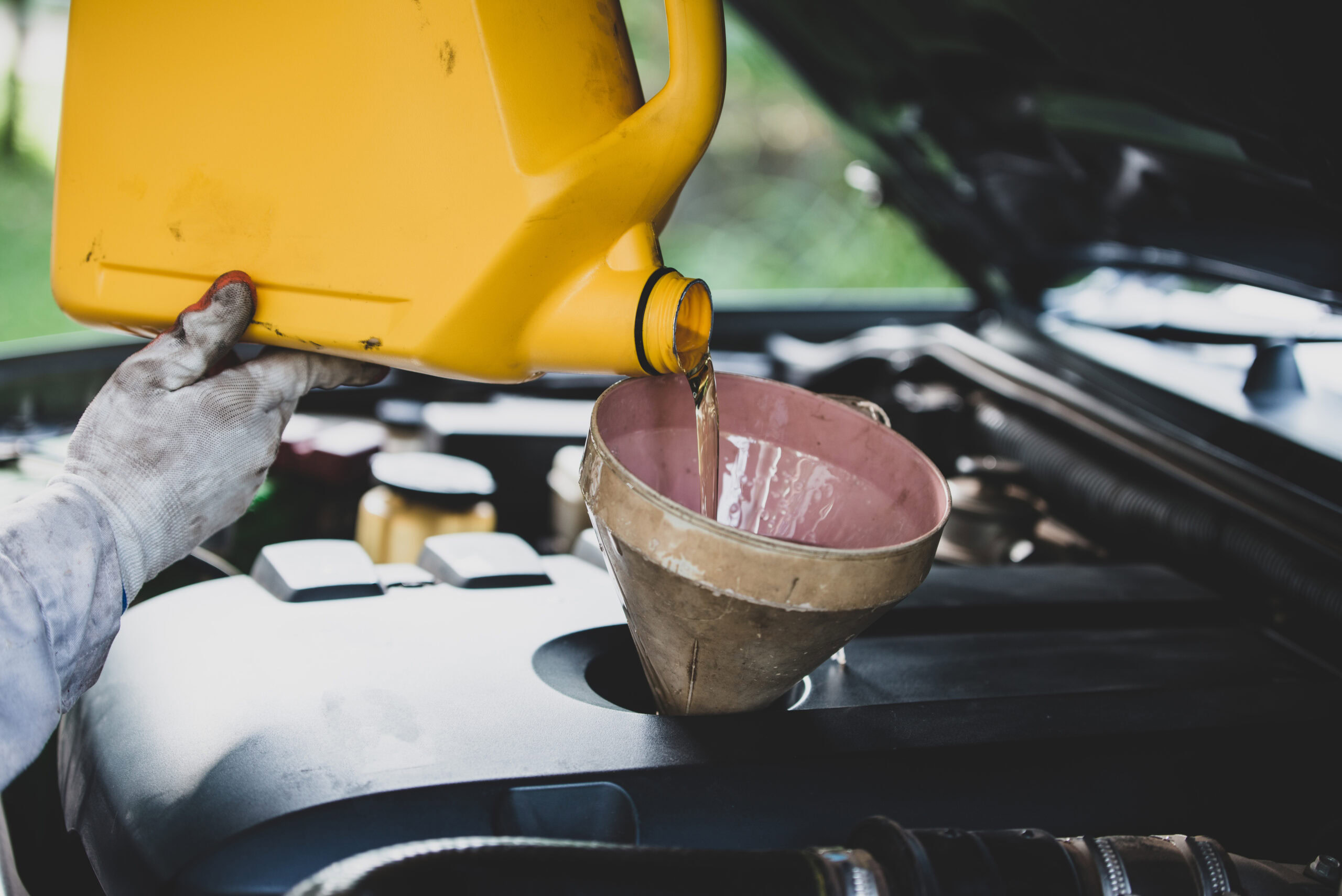
Owning a vehicle requires ongoing care and attention to maintain performance and reliability. One of the most important aspects of vehicle maintenance is regular oil changes. For car owners in Fargo, ND, understanding why oil changes matter and how to manage them is essential. Skipping this basic service can lead to costly repairs, decreased fuel efficiency, and reduced engine life.
This guide explains what happens during an oil change, why regular oil changes are critical, how to schedule them, and how to choose the right oil for your vehicle.
What Happens During an Oil Change
An oil change involves several steps that protect your engine and ensure long-term performance. It is more than simply replacing old oil with new; each step contributes to proper engine lubrication and overall health.
Removing Old Oil
The first step in an oil change is draining the old oil from the engine. Over time, oil accumulates dirt, debris, and metal particles that can form sludge if not replaced. Removing this contaminated oil prevents build-up and keeps the engine running efficiently.
Oil change costs vary depending on vehicle type and oil quality, generally ranging from $30 to $100. Regular oil changes are an investment that helps avoid costly repairs and maintains your vehicle’s performance.
Replacing the Oil Filter
During an oil change, the oil filter is replaced. The filter captures contaminants that could damage engine components. A clean filter ensures the new oil remains uncontaminated for longer, maintaining proper lubrication and engine protection.
Adding New Oil
Finally, fresh oil is added to the engine. This new oil lubricates moving parts, reduces friction, and helps regulate engine temperature. Fresh oil supports consistent engine performance, prevents wear, and contributes to the longevity of the vehicle.
Why Regular Oil Changes Are Critical
Regular oil changes are essential to maintain engine health, prevent costly damage, and optimize performance.
Preventing Engine Wear
Oil lubricates the engine’s moving components, preventing excessive friction and wear. Without proper lubrication, engine parts can grind against each other, causing damage and potential engine failure. Regular oil changes remove contaminants and maintain oil effectiveness, reducing the risk of costly engine repairs.
Improving Fuel Efficiency
Clean oil reduces friction in the engine, allowing it to operate more efficiently. Efficient engines consume less fuel, saving money on gas and maintaining optimal performance. Maintaining proper oil levels and using quality oil can significantly improve fuel economy over time.
Extending Engine Life
Routine oil changes remove sludge, metal particles, and other contaminants that accumulate in the engine. Removing these impurities helps maintain a clean engine, extending its operational life. Regular oil changes protect critical engine components and reduce the likelihood of breakdowns.
Practical Tips for Scheduling Oil Changes
Scheduling oil changes appropriately is crucial for maintaining engine health and performance.
Follow Manufacturer Recommendations
Your vehicle’s owner manual provides recommended oil change intervals based on engine type and driving conditions. Following these guidelines ensures your engine receives the proper care on schedule.
Consider Driving Conditions
Driving in extreme temperatures, frequent short trips, stop-and-go traffic, or towing heavy loads can place additional strain on the engine. Vehicles operating under these conditions may require more frequent oil changes to maintain optimal performance.
Set Reminders
In busy schedules, it is easy to overlook maintenance tasks. Set calendar reminders or phone alerts to stay on track with oil changes. Timely oil changes prevent complications and maintain engine reliability.
Choosing the Right Oil for Your Vehicle
Selecting the correct oil is vital for engine performance and durability. Not all oils provide the same protection or efficiency.
Understanding Oil Types
Oil types include conventional, synthetic, and high-mileage formulations. Each type offers different benefits depending on vehicle age, engine design, and driving habits. Choosing the right type ensures proper engine lubrication and long-term reliability.
Checking Viscosity Ratings
Oil viscosity determines how the oil flows at different temperatures. The correct viscosity maintains lubrication across operating conditions. Consult the owner’s manual or a professional technician to select the appropriate viscosity for your engine.
Consulting a Professional
When uncertain about the best oil for your vehicle, seek professional guidance. Automotive experts at shops such as Above All Auto Repair in Fargo, ND, can recommend the right oil type and maintenance schedule to match your driving needs and vehicle specifications.
Signs Your Vehicle Needs an Oil Change Sooner
Sometimes, your vehicle may require an oil change before the scheduled interval. Recognizing these warning signs can prevent engine damage.
Unusual Engine Noise
Knocking, ticking, or other abnormal engine sounds may indicate low or dirty oil. Timely inspection and oil replacement can prevent damage to engine components.
Oil Change Indicator Light
Modern vehicles include an oil change light or dashboard indicator. If this light illuminates, schedule an oil change immediately to maintain engine health.
Dark or Dirty Oil
Checking oil color and consistency using the dipstick is a simple way to assess oil condition. Dark, thick, or gritty oil indicates contamination and the need for replacement.
Staying Eco-Friendly with Oil Changes
Proper oil maintenance also benefits the environment.
Proper Disposal of Used Oil

Used oil is hazardous and must be disposed of according to regulations. Professional automotive shops ensure environmentally responsible disposal, preventing contamination of soil and water.
Reducing Emissions
Clean oil contributes to a well-maintained engine, which produces fewer harmful emissions. Maintaining engine health through regular oil changes supports a cleaner environment.
Regular oil changes are a vital component of vehicle maintenance. They prevent engine wear, improve fuel efficiency, extend engine life, and protect the environment. For car owners in Fargo, ND, reliable oil change services are available at Above All Auto Repair. Their team of experts provides professional oil replacement and maintenance to ensure vehicles remain safe, efficient, and long-lasting. Schedule your oil change today to maintain optimal vehicle performance and avoid costly repairs in the future.
Related Posts

Understanding the Importance of Regular Oil Changes
Your vehicle’s engine is a remarkable piece of engineering. Hundreds of moving parts work together in perfect timing every time you turn the key. But none of that precision would last very long without one critical ingredient: clean engine oil.…


Understanding the Importance of Regular Oil Changes
When it comes to keeping your vehicle running smoothly, one of the simplest yet most critical maintenance tasks is often overlooked: the oil change. Engine oil is not just a lubricant; it’s the lifeblood of your vehicle, keeping everything from…


Stay Cool This Summer with Reliable AC Repair Services
Summer in Fargo, ND, might not be as scorching as Arizona or Florida, but anyone who’s lived here knows just how hot and humid it can feel when temperatures rise. There’s nothing quite like stepping into your car after it’s…